The best part of my Labor Day weekend was when City Councilman Phillip Kingston told the AFL-CIO Labor Day Breakfast crowd that Dallas is experiencing a “progressive upsurge!”
He’s absolutely right, I’m proud to have been part of it over the last decades and proud of how it’s all coming about. I’d also like to tell him and all, “You ain’t seen nothing yet!”
My weekend
I can’t separate everything that happened from my own experiences, so I’ll just tell it from a personal point of view. Labor Day weekend started at 9 AM on Saturday, Sep 3, for me. That’s when my radio show “Workers Beat” proudly hosted Arthur C Fleming, President of the Dallas NAACP, on the air. Fleming talked about some of the things the great civil rights organization is doing here. He sounded very practical, very businesslike.
It started getting really good when he talked about taking Confederate monuments off taxpayer-provided property. Now that’s a subject that I love! But I had to leave the show with my buddy Bonnie Mathias while I ran for the Martin Luther King Jr center in South Dallas.
Reverend Ed Middleton and Lauren Tenney had organized the annual Workers Rights Board Forum and march at the King Center. They let me host the show because I guaranteed them that I am the most strict chairman in all the progressive movement. Overstated as usual, but I’m pretty strict.
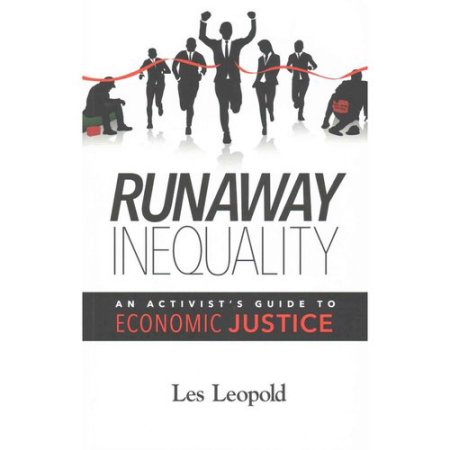
All the speakers were great. The high point, for me, was when Herb Keener of CWA 6215 gave a short summary of the wonderful new book, “Runaway Inequality,” which I’ve been raving about on this blog. Herb announced that he and I were organizing a class on the book. Later, we decided to call it for noon on Saturday, September 17, at 1408 N Washington.
After all 4 speakers and a short Q&A, we marched. Lauren led us about 4 blocks away and then back. All on the sidewalk. We’re scared of the Dallas police of course, but not really that scared. I carried my guitar and led “Solidarity Forever” as we marched. Lots of passersby honked and waved their approval!
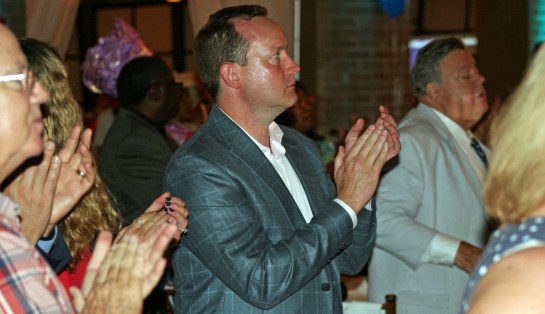
The AFL-CIO breakfast was the best ever. They sold out of tickets! They honored women in labor and came up with the Linda Bridges award. Bridges led the Texas teachers union until she died. My dear friend Sherron Molina won the award.
Next came the Democrats’ picnic. It was great big, extremely diverse, and confusing all around, just like the Democrats. County Judge Clay Jenkins got a tremendous ovation when he was introduced, but the biggest ovation of all came for my friend Sheriff Valdez.
What’s It Mean to Me?
There really is a progressive upsurge in Dallas. I’ve been there watching it grow. When Sheriff Valdez first ran for office, I was the one who made the motion that the AFL-CIO support her. She got the support and is now one of the most famous sheriffs in America.
The Democrats didn’t always have a picnic on Labor Day. Long before they turned Dallas County blue, Dr Theresa Daniels organized the first picnic. She asked me to lead “Solidarity Forever,” and I did. The Democrats actually took over the idea from a much smaller one in Kiest Park run by the Jobs with Justice group which Elaine Lantz and I had started and run.
The Dallas AFL-CIO didn’t always have a Labor Day Breakfast. There were a couple of years in the 1990s when the unionists just didn’t think it was worth doing. During those years, Jobs with Justice put on Labor Day events just to make sure something happened. The AFL-CIO started it up again and it’s been a growing success since then.
Dallas didn’t always have a Workers Rights Board hearing and a march on the Saturday before Labor Day. Jobs with Justice started that, too.
What’s the Progressive Upsurge in Dallas?
There are several good reasons that Dallas is now a blue county with a successful labor movement. One small contributor is the 25 or so years of steady solidarity work by North Texas Jobs with Justice. Another one is the Texas Organizing Committee, which started as ACORN even before JwJ. Another one is the recent addition of the Workers Defense Project to the Dallas progressive milieu. Another is the great organizing work done by the Dallas Democratic Party. Another is the big change in the national labor movement that came in the leadership elections of 1995. Another one is the three-year-old local leadership of Mark York of the Dallas AFL-CIO.
Put them all together, you get a progressive upsurge!
What’s Next?
Elaine Lantz has proposed, and Mark York has agreed, that Dallas needs some kind of labor/community mobilization committee. We need to consult with a lot of people to decide exactly how it should work, but I’ve found a darned good place to start that discussion: Herb Keener’s class on the book, “Runaway Inequality” by Les Leopold at noon on Saturday, September 17, at 1408 N Washington in East Dallas.
Be there, and let’s keep up the momentum of the progressive upsurge in Dallas!
–Gene Lantz
Click here for more of these ideas



 genelantz